The Threshold Plan: Protecting Rest, Privacy and Neighbourly Goodwill After Body Contouring
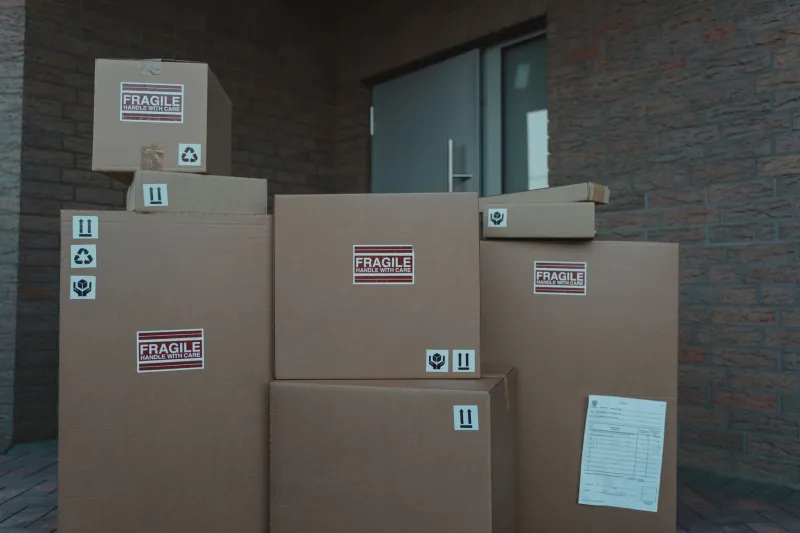
Body-contouring recovery is, in clinical terms, a period of protected rest. In domestic terms, however, home is rarely completely sealed. Parcels arrive, couriers need instructions, neighbours knock, and family members may call unannounced. None of this is unusual, but during the first weeks after surgery the front door can begin to feel less like an entrance and more like an interruption.
The aim of a threshold plan is not to barricade yourself indoors. It is to make the boundary between rest and the outside world predictable, so that ordinary domestic life does not repeatedly override your aftercare needs. In UK homes — whether a terraced house with a street-facing door, a flat behind a shared entry, or a rented property with a communal hallway — a little planning can preserve both privacy and neighbourly goodwill.
Before the first week: a short and sensible plan
Begin with the deliveries you know are coming. Prescription items, online food shops, clothing ordered for recovery, and general household parcels can often be redirected before they reach the door. Royal Mail, Evri, DPD and other carriers provide app-based options for safe places, nominated neighbours, parcel lockers and local collection points. Where possible, use click-and-collect or a locker for non-urgent items rather than asking a household member to answer the door repeatedly.
If you live alone, identify one or two people who can act as a practical point of contact. This might be a neighbour who can take in a parcel, a friend who can call ahead, or a family member who can manage messages. The purpose is not to advertise your surgery but to reduce the number of decisions you need to make while resting.
For flats and shared entries, check whether the building has a concierge, caretaker or management contact who can hold parcels. If not, a simple note inside the communal door — worded neutrally, such as ‘Please leave parcels for Flat 4 with the caretaker’ — is usually preferable to detailed instructions that identify a medical recovery. Avoid giving entry codes or asking couriers to enter the building unless this is your normal, established arrangement.
When the doorbell rings: pause before responding
A doorbell is not a command. During recovery, it is reasonable to pause, check who is calling through a window, video doorbell or intercom, and decide whether to respond. If you use a video doorbell, a short script can be spoken without opening the door: ‘I’m resting at home today. Please leave the parcel in the safe place and I’ll collect it later.’
For unexpected callers, keep the door chain on and speak through the doorway. You do not need to explain your medical situation. A brief, polite sentence is sufficient: ‘I’m not receiving visitors at the moment, but thank you for calling.’ If the caller is a tradesperson or landlord representative, arrange a later time when a household member can be present.
Timed delivery slots are helpful, but they are not guarantees. Where a signature is required, nominate someone in advance or redirect the item to a collection point. It is better to make one planned trip later than to rush to the door during a period when movement should be staged and comfortable.
Gentle scripts for well-meaning neighbours
Neighbourly concern is usually kindly meant, but it can arrive at inconvenient moments. A balance is needed: warmth without over-disclosure, and privacy without coldness. A short script can protect both. For example: ‘Thank you for checking in. I’m following a planned recovery and keeping things quiet for a few weeks. I’ll let you know when I’m ready for a proper catch-up.’
If a neighbour offers help, accept something specific and bounded. ‘A pint of milk on Thursday would be very helpful’ is easier to manage than an open invitation to call round. If you are comfortable, ask one trusted neighbour to be the informal point of contact for the street or building. This can reduce repeated knocks and prevent well-meaning speculation.
Be cautious with neighbourhood group chats. A brief message such as ‘I’m having a quiet few weeks at home, so I may not answer the door — nothing to worry about’ can be useful, but detailed medical updates are rarely necessary. The aim is to set expectations, not to invite discussion.
Unexpected callers and persistent concern
If someone repeatedly calls despite polite signals, continue to use the intercom or doorway rather than opening the door. For persistent cold callers, a ‘No cold callers’ sign may help. If a neighbour expresses concern about your welfare, thank them and redirect the conversation to a nominated contact if you have one. This is especially relevant if you live alone and family members are arranging check-ins from a distance.
There is a difference between privacy and isolation. If you find that you are avoiding all contact because the door has become stressful, consider a low-effort alternative: a scheduled phone call, a short message to a friend, or a brief doorstep conversation at a time you choose. Contact can be controlled without being eliminated.
Shared entries, terraces and flats
In terraced housing, the front door often opens directly onto the street. A doorbell camera, a neutral parcel note and a nominated safe place can reduce pressure. In flats with a shared entry, coordinate with neighbours rather than asking couriers to navigate the building. If you live on an upper floor, do not feel obliged to descend stairs quickly for a delivery; a safe place or collection point is a reasonable alternative.
For rented properties, check the tenancy agreement before installing any doorbell camera or external fixture. A removable intercom cover or a simple internal routine may be sufficient. The guiding principle is the same in every home: make the threshold predictable, and keep instructions neutral.
A calm boundary is part of aftercare
If answering the door is causing pain, swelling, dizziness or undue fatigue, stop and contact your clinical team for advice. The doorbell should not dictate the pace of recovery. With a short threshold plan in place, parcels can be managed, visitors can be redirected, and neighbours can be reassured without turning recovery into a siege.
Sculpta Clinic encourages patients to treat the front door as part of their aftercare environment: a place where rest is protected, privacy is respected, and ordinary kindness is welcomed on your own terms.