Platform Confidence: A Public Transport Plan for the Weeks After Body Contouring
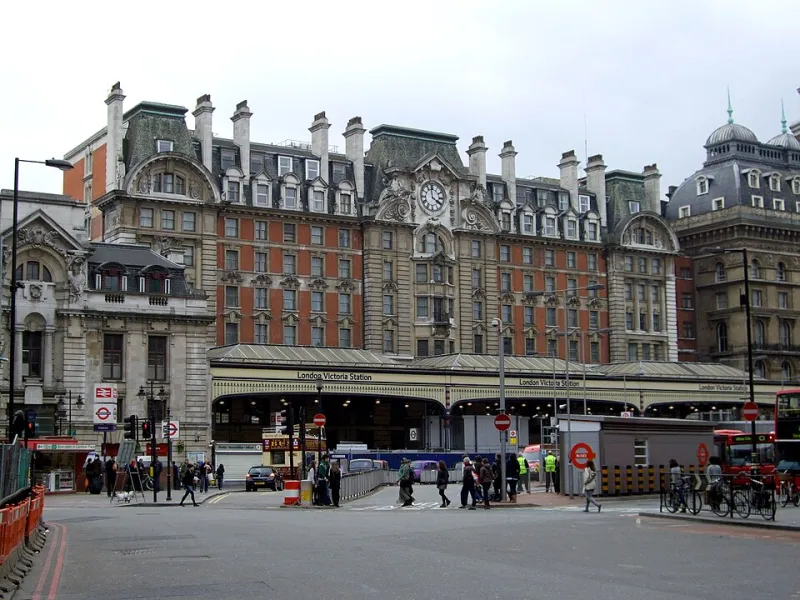
Photo: Ewan Munro from London, UK, CC BY-SA 2.0, via Wikimedia Commons
Public transport after body contouring can feel like a small examination of confidence. A busy platform, a crowded carriage, a delay announced over the tannoy: none of these is unusual in the UK, but each can seem sharper when recovery is still underway. The useful response is not to withdraw from everyday life, but to plan re-entry with the same care given to aftercare at home.
Why the Journey Deserves Its Own Plan
Recovery from body contouring can affect stamina, swelling, tenderness, mobility and the ease with which you carry or lift items. Public transport introduces variables that a quiet room does not: standing for longer than expected, climbing steps, navigating crowds, managing temperature changes and responding to delays. A journey plan reduces unpredictability. It also protects confidence, because a manageable trip is easier to repeat than an exhausting one.
In 2026, UK travellers have useful tools at their disposal. National Rail and Transport for London provide live service information, step-free access maps and assisted travel arrangements. Contactless payment caps make fares simpler, while journey-planning apps can show platform changes and quieter routes. These are practical aids, not guarantees, but they allow a measured plan to be made before the day arrives.
Matching the Mode to the Stage
No single mode of transport suits every stage of recovery. In the earliest weeks, door-to-door travel by taxi or a lift from a trusted person may be the least tiring option. As stamina improves, shorter bus journeys or off-peak rail trips may become realistic. The aim is not to prove resilience on the busiest route, but to choose the mode that matches current capacity.
For National Rail journeys, an off-peak service with a reserved seat is often more comfortable than a flexible but crowded alternative. A station with lifts or ramps is preferable to one with long staircases, even if it adds a little time. For London Underground journeys, the Transport for London step-free map is worth checking before committing to a route; a longer line with fewer interchanges may be gentler than a shorter one involving deep escalators and crowded platforms. Buses can be useful for short, local trips, especially where the stop is close to home and the vehicle has low-floor access. Coaches suit longer distances only when breaks, seating and luggage arrangements have been considered in advance.
Rail, Tube and Bus: Practical Adjustments
On rail, keep luggage light and avoid placing bags overhead. If a bag must be wheeled, allow extra time for lifts and platform changes. A seat near the carriage door reduces the distance walked when boarding and alighting. On the Tube, avoid peak-hour interchanges where possible, stand back from the platform edge and use station staff if a lift is out of service. On buses, sit near the door if priority seats are available, and ask the driver to lower the ramp if needed. None of these adjustments is dramatic, but together they make the journey less taxing.
The Peak-Hour Question
Peak travel is often the difference between a tolerable journey and an unnecessarily difficult one. Where circumstances allow, aim for the quieter window between the morning and evening rushes, or travel after the main evening flow has passed. School-run periods, Friday evenings and major event days can also make ordinary routes busier than expected. If peak travel cannot be avoided, consider waiting for the next service rather than boarding a crowded carriage. A few minutes on the platform may be more comfortable than standing in a press of passengers.
Luggage, Layers and Seating
Luggage should be modest enough to manage without lifting or twisting. Two smaller bags may be easier than one heavy case, and a wheeled bag is only helpful if it can be moved without strain. Clothing should allow for changing temperatures on trains and buses; layers are more practical than a single heavy coat. Slip-on shoes are useful where bending is uncomfortable, and loose clothing may be preferable while a recovery garment is worn, subject to clinical advice.
Seating deserves thought. An aisle seat reduces the need to climb over others, while a seat near the door limits walking. On longer journeys, a reserved seat is preferable to hoping for an unreserved one. A small cushion or folded scarf may make an unfamiliar seat more comfortable, but any pressure on treated areas should follow the guidance given by your clinician.
Asking for Assistance Without a Speech
You do not owe strangers a medical explanation. A concise request is usually enough: I am recovering from surgery and would rather not lift this bag; could you help me to the lift? Or: I need to sit down, thank you. Staff at stations and on buses are accustomed to assisting passengers, and National Rail Passenger Assist can be arranged in advance for those who need help with steps, ramps or connections. The key is to ask early, keep the request specific and accept help where it is offered. Discretion is not secrecy; it is simply a boundary around information that need not be shared.
A Pre-Journey Checklist for 2026
Before leaving, confirm any lifting, sitting or travel restrictions with your clinical team. Plan the route with the fewest changes and the most reliable step-free access. Check live service updates and allow more time than the journey would normally require. Book assistance if it would help. Pack lightly, carry water and any agreed medication, and keep a contact number for a trusted person. Dress in layers, choose slip-on shoes and consider a small cushion. Have a return plan, and decide in advance that the journey can be shortened or postponed if fatigue becomes significant.
Knowing When to Delay Travel
A planned journey should not become a test of endurance. If pain, swelling, dizziness or exhaustion is increasing, the sensible choice is to delay non-essential travel and seek clinical advice where needed. Confidence after body contouring is not built by forcing a difficult trip. It is built by making ordinary journeys manageable, repeating them when the time is right and recognising that a well-judged pause is part of good recovery.